


Can You Go to the Gym After Getting a Tattoo?
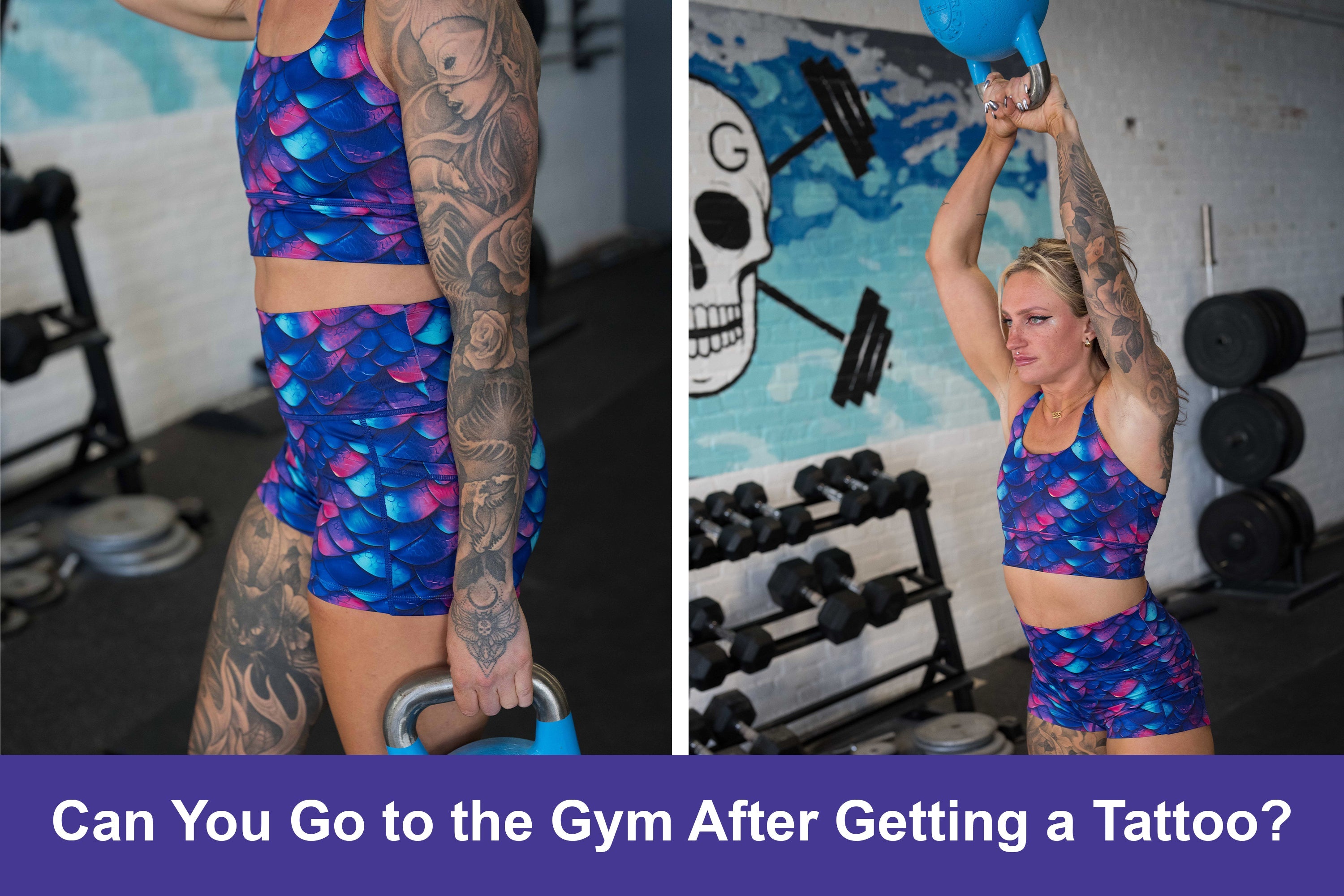
Working Out After a New Tattoo: How Long Should You Wait?
Getting a new tattoo is exciting, but if you are someone who loves staying active, you might wonder how soon you can get back to the gym. That exact question recently came up in the CVG Community when someone asked how long they should wait before returning to a public gym after getting more work done on a full sleeve.
The replies from experienced tattoo collectors, gym-goers, and even someone who works in a tattoo shop pointed to a few consistent themes. Here is what matters most.
First, treat a new tattoo like an open wound
The clearest and most repeated advice was simple: a fresh tattoo is basically an open wound.
That means it is vulnerable to bacteria, irritation, and infection, especially in a public gym where equipment is shared by a lot of people. Several commenters pointed out that the biggest concern is not necessarily the workout itself. It is the combination of dirty surfaces, friction, and sweat during the earliest stages of healing.
That is why many people recommended being extra careful with public gym equipment until the tattoo has started healing.
The healing stage matters
A lot of the advice centered less on an exact number of days and more on what the tattoo actually looks and feels like.
In general, the earliest stage is when the tattoo is freshest, most sensitive, and most likely to leak plasma or ink. That is also when infection risk is highest. Once the tattoo starts drying out and enters the peeling stage, many people feel more comfortable returning to the gym with precautions.
Based on the comments, one of the most practical rules of thumb is this: if the tattoo is still leaking, it is probably too soon for public gym contact.
If you have Second Skin, you may be able to go back sooner
One of the most commonly mentioned solutions was using a protective bandage such as Second Skin, Saniderm, or Tegaderm. People described this as a major help for healing because it creates a barrier between the tattoo and the outside world.
If your artist applies one of these properly and your skin tolerates it well, several commenters felt it made returning to normal life much easier. Some people said they leave it on for several days, often around 3 to 5, and then remove it, wash the tattoo, and continue with normal aftercare.
That barrier can help reduce direct contact with bacteria, sweat, clothing friction, and gym equipment. Still, not everyone can use it. Some people mentioned adhesive sensitivity or irritation, so this option is not right for every person or every tattoo placement.
If you do not have a protective covering, wait longer
Without a protective layer, the advice was more cautious. Several experienced tattoo collectors said they would wait until the tattoo stopped leaking and started drying out before going back. Others said they would wait about a week, and some preferred up to two weeks in a public gym just to be extra safe.
The most credible middle ground from the discussion was this: if the tattoo is no longer leaking, has started drying or peeling, and you can keep it covered from direct contact, returning may be reasonable. If it is still fresh and exposed, waiting longer is the safer call.
How to lower the risk when you go back
If you decide to return to the gym while the tattoo is still healing, there were a few practical precautions that came up again and again.
1. Cover the tattoo if possible
A loose, breathable long sleeve or other clean barrier can help prevent the tattoo from touching pads, benches, or machines. The key is keeping it protected without trapping it in something overly tight or irritating.
2. Clean equipment before and after use
This came up repeatedly. More than one person mentioned that gym equipment can be pretty gross, especially at public gyms where not everyone wipes things down well. Cleaning surfaces before and after use is one of the easiest ways to reduce your risk.
3. Wash the tattoo after your workout
If you do work out, wash the tattoo thoroughly afterward using your normal aftercare routine. That helps remove sweat, bacteria, and anything else it may have picked up during the session.
4. Avoid movements or machines that rub the tattoo
This is especially important if the tattoo is on an area that presses into pads or benches. Even on leg day, an arm tattoo can still end up rubbing against equipment. Friction matters just as much as cleanliness.
5. Go easier for a few days
Some people mentioned taking a few days off completely or shifting to lighter activity like walking or jogging. That can be a smart option if you want movement without as much sweating, rubbing, or pressure on the tattooed area.
What should you definitely avoid?
There was broad agreement on a few things that are much riskier than a careful gym visit. Swimming, hot tubs, and soaking the tattoo were consistently treated as the biggest no-go activities during healing. Sun exposure was another concern, especially in places like Florida where fresh tattoos can be hard to keep covered.
Even commenters who felt okay returning to the gym fairly soon still drew a harder line around pools, hot tubs, and other high-exposure situations.
Placement and healing speed make a difference
Another helpful point from the discussion was that there is no one-size-fits-all answer. The right timeline depends on things like:
- Where the tattoo is located
- How large the tattooed area is
- How much the area bends, stretches, or rubs
- How quickly your body heals
- Whether your skin reacts to adhesive coverings
For example, an elbow, inner bicep, or shoulder area may be harder to protect than a spot that does not move or touch as much. A larger sleeve session may also need more caution than a very small tattoo.
So how long should you wait?
If you are looking for the simplest answer, it is this:
- If your tattoo is fresh, leaking, and uncovered, wait.
- If your tattoo is protected with Second Skin and your artist says it is okay, you may be able to return sooner with care.
- If the tattoo has started drying or peeling and you can keep it covered and clean, many people feel okay going back carefully.
- If you are unsure, ask your tattoo artist and err on the side of giving it more time.
The safest answer is usually to wait until the tattoo is no longer actively fresh and vulnerable. A few extra days of caution is worth it if it helps your tattoo heal well and lowers your risk of irritation or infection.
Final takeaway
A fresh tattoo and a public gym are not the easiest mix. The most credible advice from the community was to treat the tattoo like an open wound, avoid exposing it to dirty equipment too soon, and use protective coverings if your artist recommends them.
If you go back, cover it, clean everything, and wash it right away after your workout. And when in doubt, trust your tattoo artist over random internet opinions.
Disclaimer: This article is for general informational purposes only and is not medical advice. Healing times and aftercare needs vary by person, placement, and tattoo size. Always follow the instructions from your tattoo artist, and contact a medical professional if you notice signs of infection or abnormal healing.


Comments